
PEOPLE
Access, presence and attendance
Connect security, occupancy, transport, hospitality, food service and maintenance so teams can decide with shared operational context.
Discuss a Facilities use case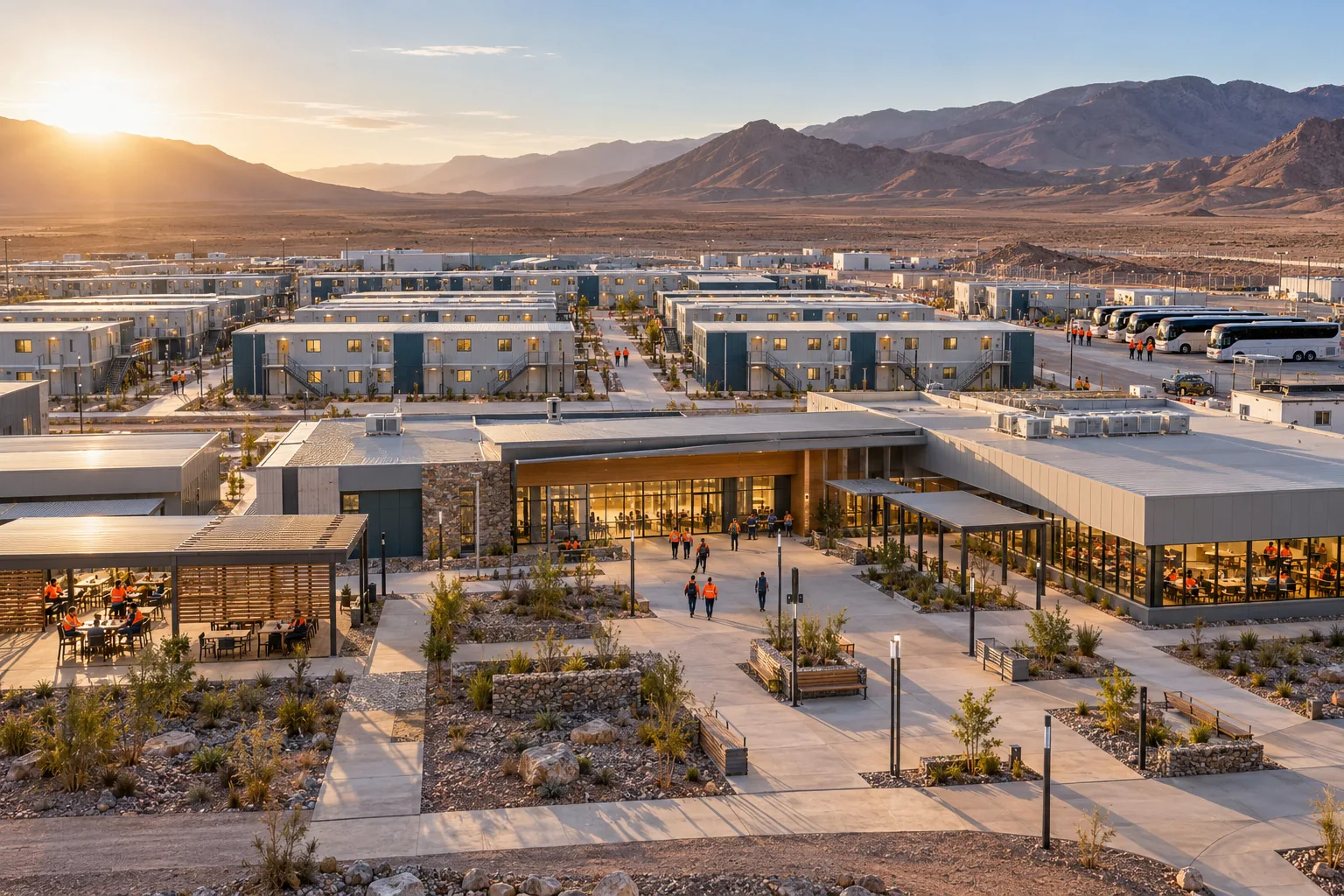
Connect people, mobility, service delivery and continuity in one operational view.
Access, presence and attendance
Boarding, routes and punctuality
Rooms, housekeeping and dining
Assets, resources and SLAs
Turns images and sensor sources into observable objects, zones, states and events.
Relates events to a service, authorized person, trip, room, asset, shift or contract.
Compares demand and condition trends with patterns and models validated for each application.
Proposes priorities and actions with evidence, resources, constraints and outcome follow-up.
OBSERVE›CONTEXTUALIZE›ANTICIPATE›RECOMMEND
Access, PMS, POS, GPS and building-system integration depends on available interfaces. Identity, occupancy and service records must be reconciled with their authorized source.
P1 and P2 are initial prioritization proposals, not required stages. Cases can start independently or be combined around the service, available sources and desired outcome. Scenes and bounding boxes are illustrative, not product captures or site measurements.
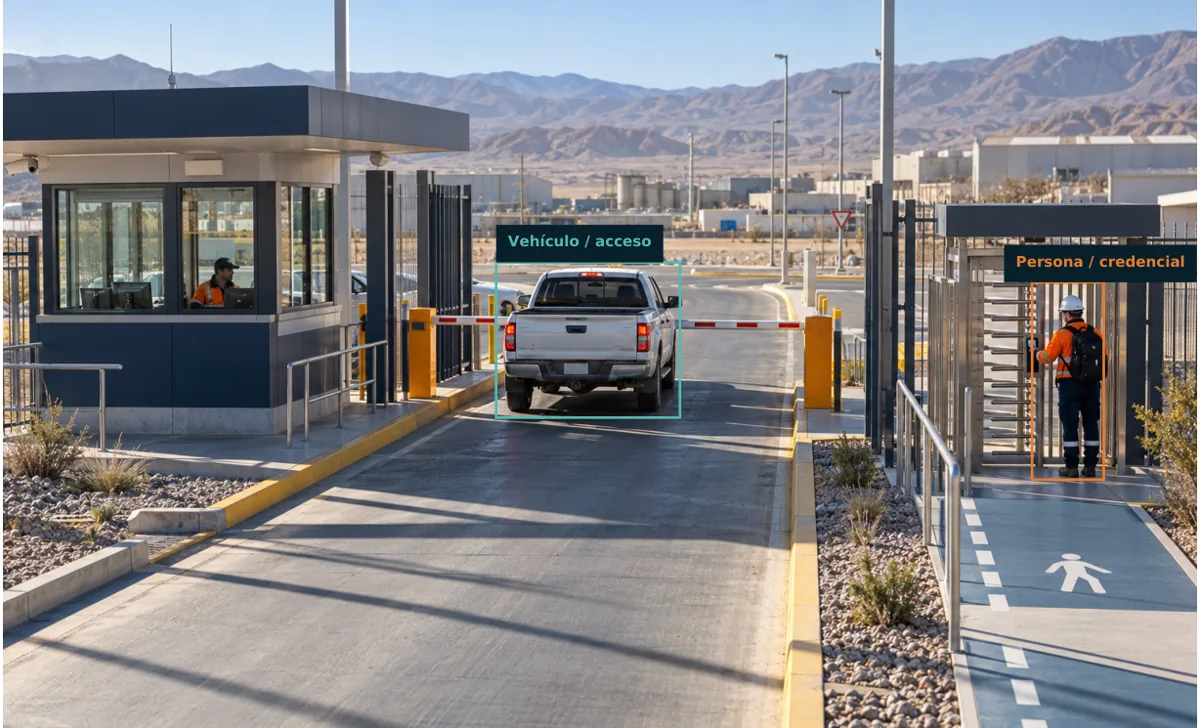 AOI / ACCESS CONTROL · P1
Relate people, vehicles and authorization to resolve exceptions and maintain traceability for contractors, visitors and residents.
A detection does not establish authorization. Barrier opening depends on approved rules and integrations.
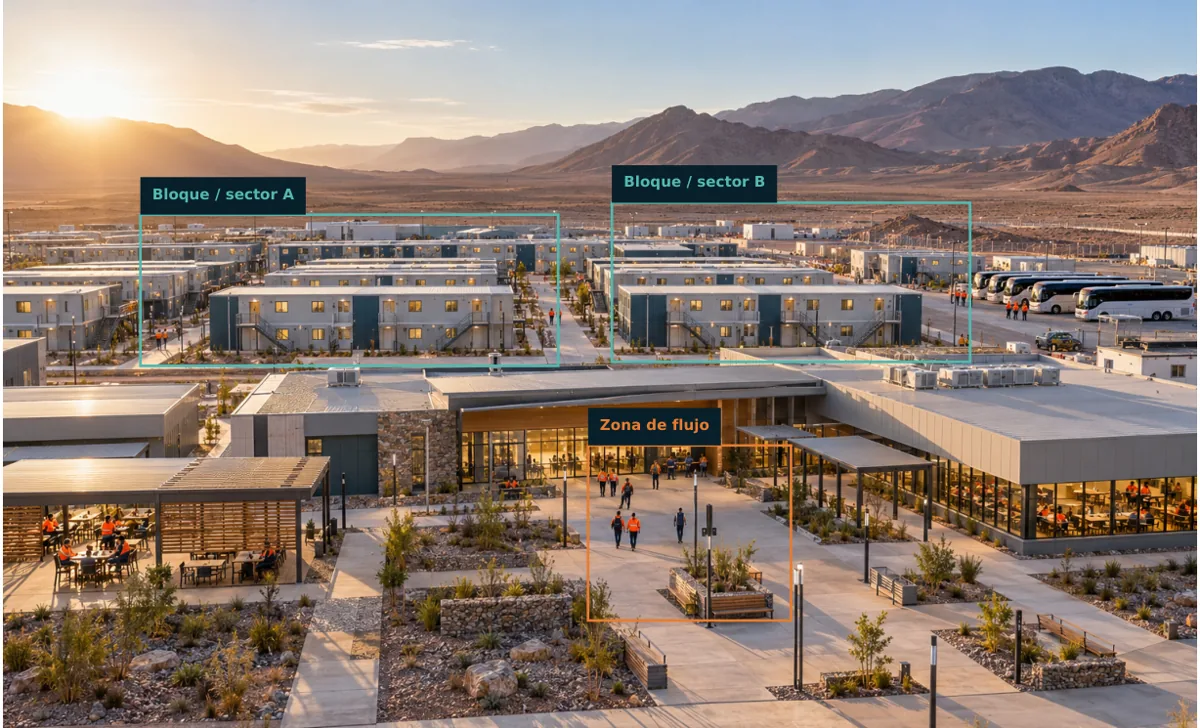 AOI / OCCUPANCY · P1
Combine entry and exit counts with rosters and access records to estimate occupancy by sector and support resident reconciliation.
A count is not identity and does not guarantee current presence. Attendance in an emergency must be confirmed.
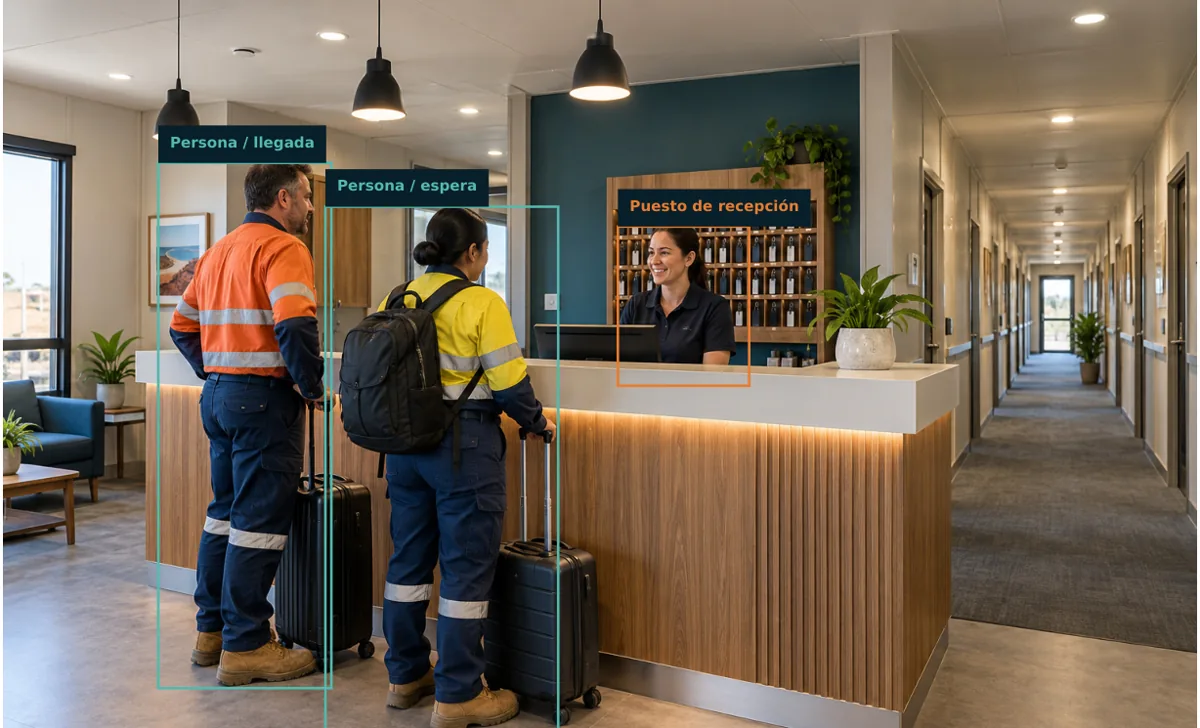 AOI / HOSPITALITY · P2
Connect arrivals, reservations, room availability and release to coordinate shift changes and reduce lodging waits.
Occupancy and availability come from the PMS and authorized records. No in-room surveillance is proposed.
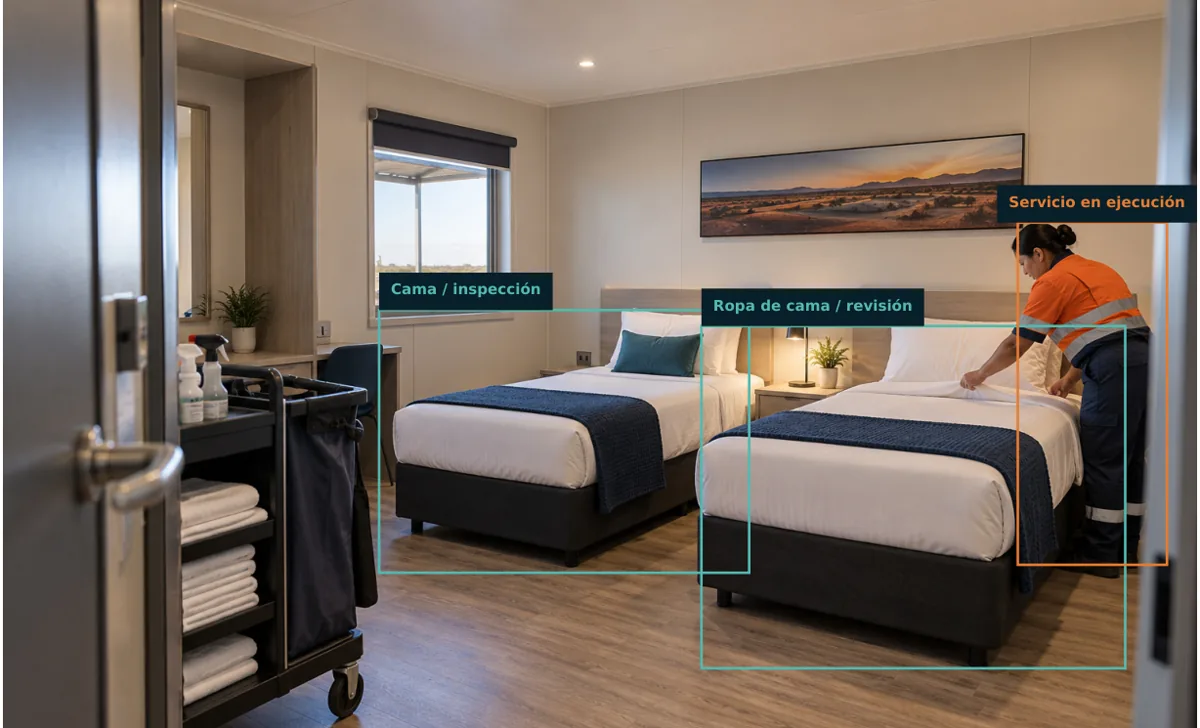 AOI / HOUSEKEEPING AND SLA · P2
Trace housekeeping requests, execution and inspection to release rooms on time and focus supervision on pending work and rework.
No permanent cameras in rooms. Capture is occasional, authorized and only while the room is unoccupied.
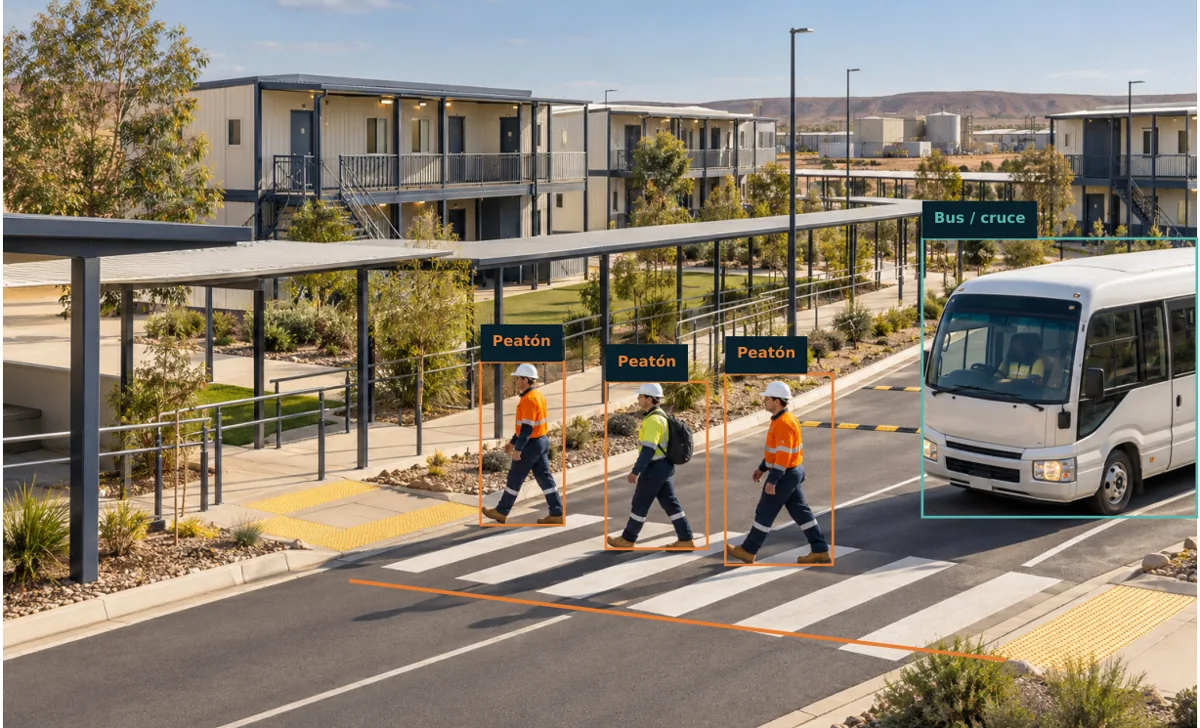 AOI / TRANSPORT · P1
Connect buses and vans with boarding, punctuality and pedestrian exposure to coordinate travel between site, camp and terminals.
A count does not establish identity; capacity comes from vehicle records and manifest. Distance requires calibration or telematics.
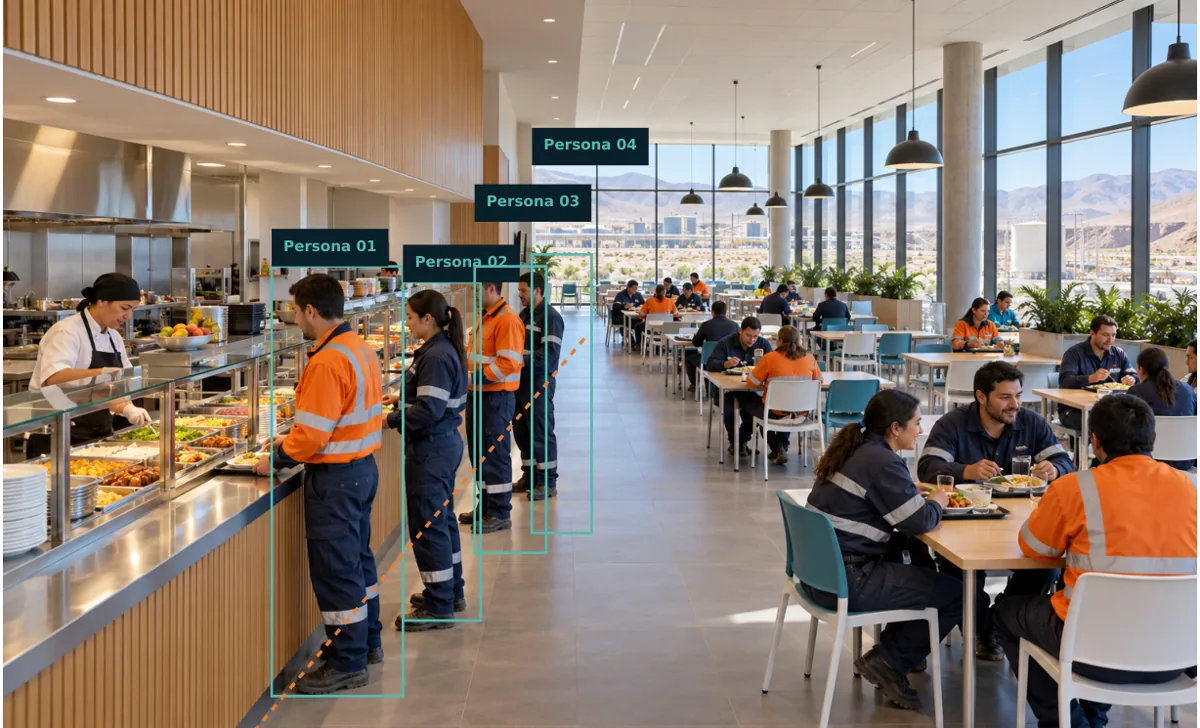 AOI / DINING SERVICE · P1
Connect demand, queues and recorded meal services to adjust service capacity and reconcile delivery by shift and contract.
Detected people do not equal chargeable meals. POS, credentials and contract rules confirm service.
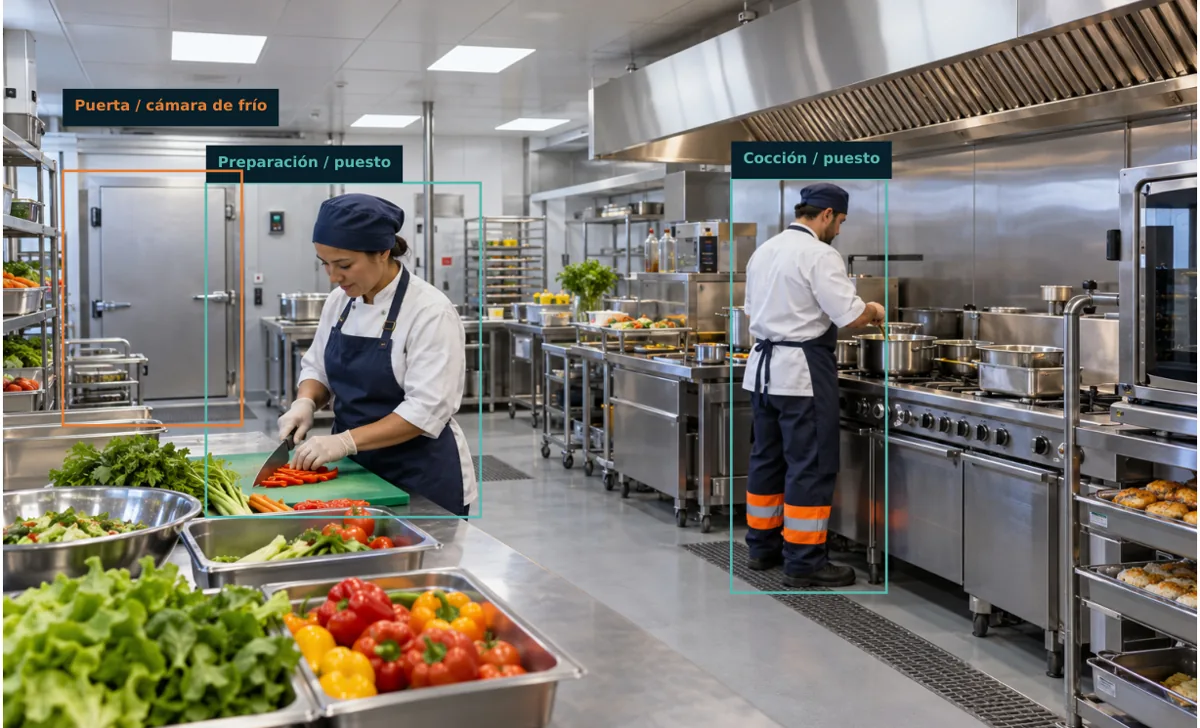 AOI / KITCHEN, COLD CHAIN AND INVENTORY · P1
Relate preparation sequences, recorded temperatures and supply movements to support service continuity and control.
RGB does not prove food safety; thermal cameras measure surfaces, not internal temperature. Probes and sanitary procedures apply.
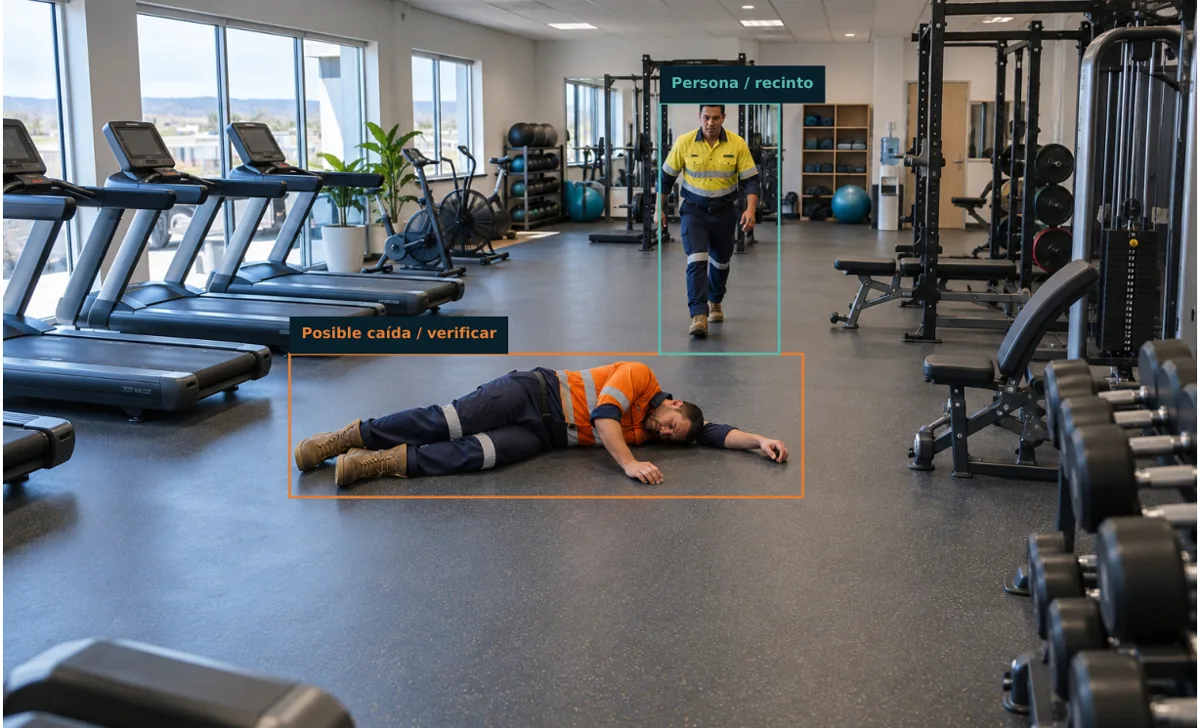 AOI / ATTENDANCE · P1
Measure gym utilization and detect a possible fall or extended time on the floor so staff can verify and follow the established assistance procedure.
No medical diagnosis. Distinguish floor exercises from possible falls and exclude changing rooms.
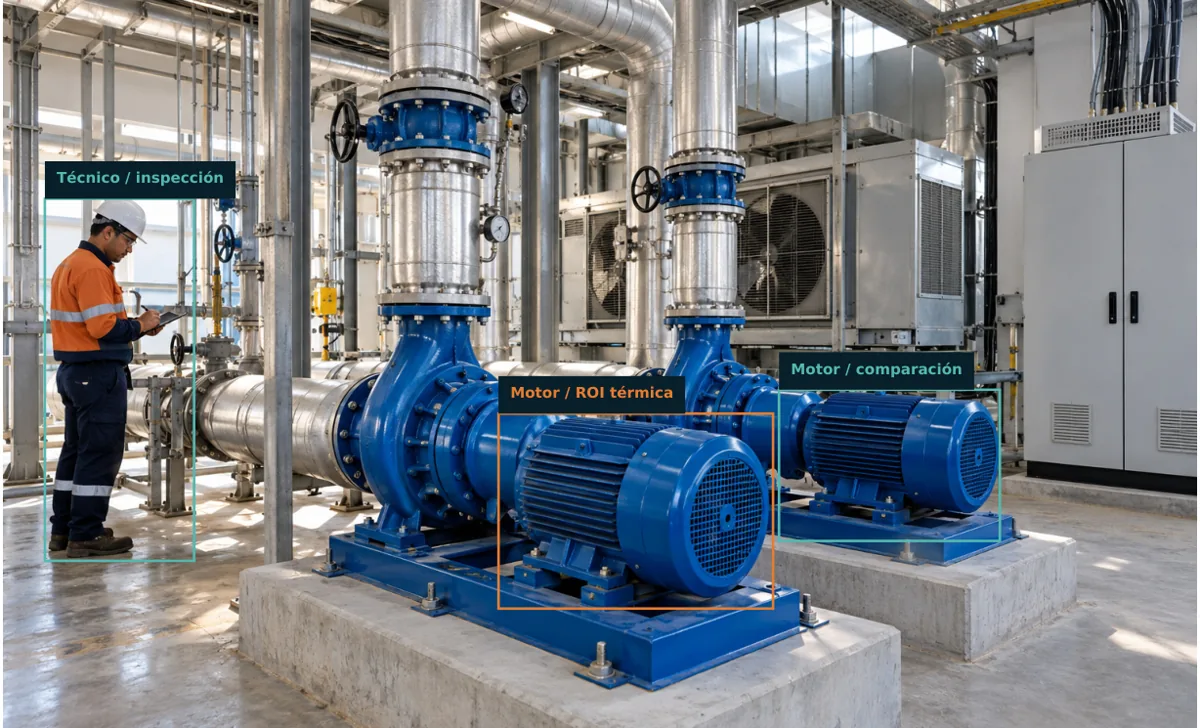 AOI / RELIABILITY · P2
Relate thermal condition, operating variables and history to prioritize maintenance for assets supporting lodging, food service and wellbeing.
Temperature needs a radiometric sensor and configuration. An anomaly does not confirm failure; backup design depends on engineering.
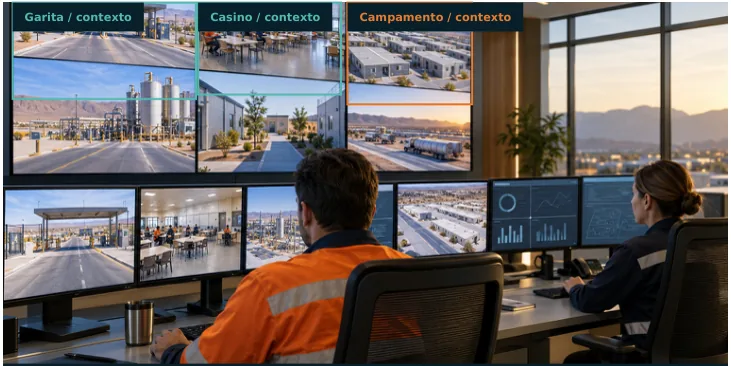 AOI / AI COORDINATION · P2
AI Process Operator combines AOI events with demand, resources and commitments to recommend the next action and track its outcome.
Can be deployed directly when data and interfaces are available. Automatic execution requires approved permissions and constraints.
AICE provides observation; AOI relates services, authorized people, resources and events to the relevant decision.
Exposure at gates, crossings and possible falls.
Sequences, waits, states and service commitments.
Thermal condition and instrumented temperature sources.
Validated demand, recurrence and condition trends.
People-vehicle interactions and calibrated zones.
Credentials, permissions and authorized traceability.
Checklists, linen, supplies, lots and stock reconciliation.
Priorities and recommendations within resources and constraints.
Edge processing and deployment are defined through engineering. Integration with transport operators, PMS, POS and building systems depends on available interfaces.
Identity requires an authorized credential or system; a bounding box does not establish who a person is. Lodging occupancy comes from the PMS, with no permanent cameras in rooms. Food safety needs measurements and procedures; surface thermal imagery does not measure internal temperature. Safety and maintenance events require confirmation by the responsible person. Evidence minimization and retention, role-based access and time synchronization are defined for each operation.
Select the priority problem, connect its sources and agree how to measure the outcome, from a focused use case to integrated Facilities coordination.
Priority service and exposure
Sources, coverage and interfaces
Decision, owner and indicator